Exploring the Role of Furniture Arrangement in Creating Comfort
Furniture arrangement is a crucial aspect of interior design that significantly influences the comfort and functionality of a space. This article delves into the principles of effective furniture placement, the psychological impacts it may have, and practical tips for achieving a cozy environment.
Understanding the Fundamentals of Furniture Arrangement
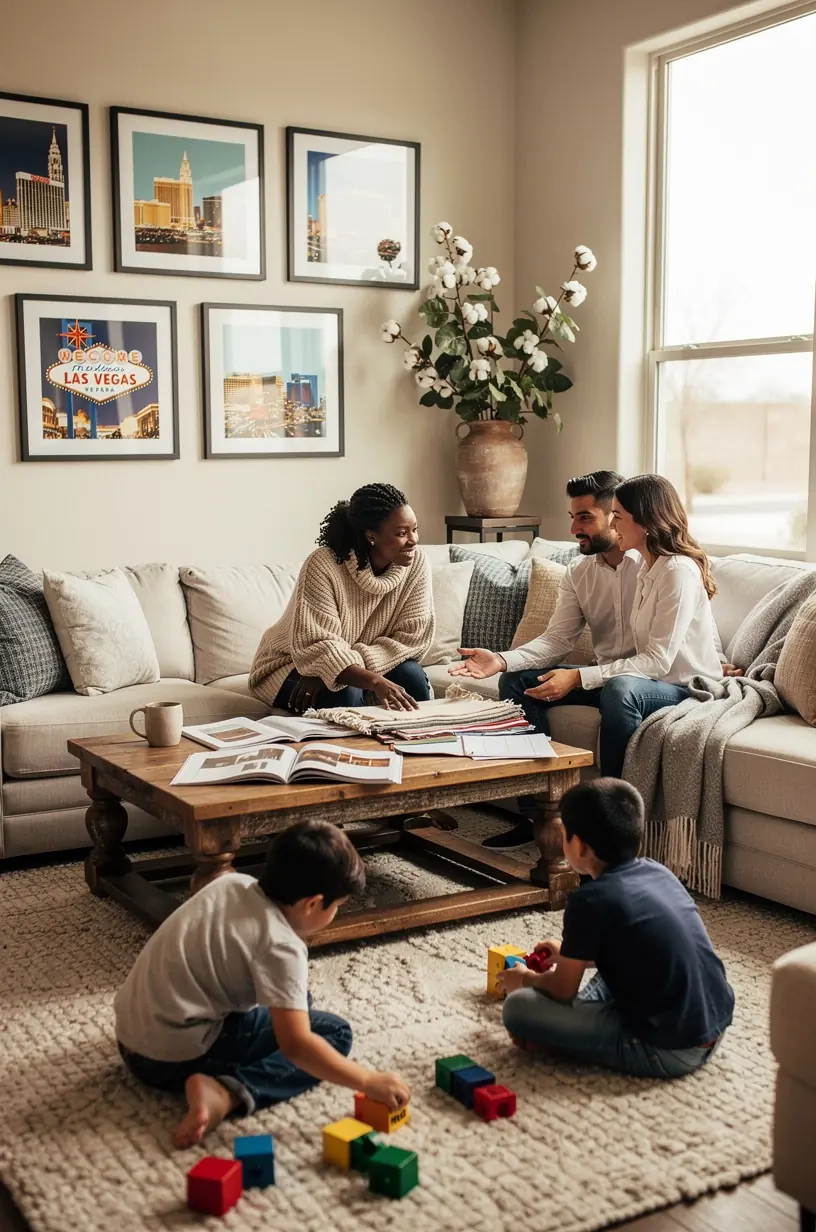
According to research conducted by the American Society of Interior Designers, the arrangement of furniture can impact both the aesthetic appeal and functionality of a living space. The fundamental principle behind effective furniture arrangement is to create a layout that promotes ease of movement and encourages natural interaction among occupants. Studies suggest that thoughtful designs can enhance communication and comfort, making spaces feel more welcoming.
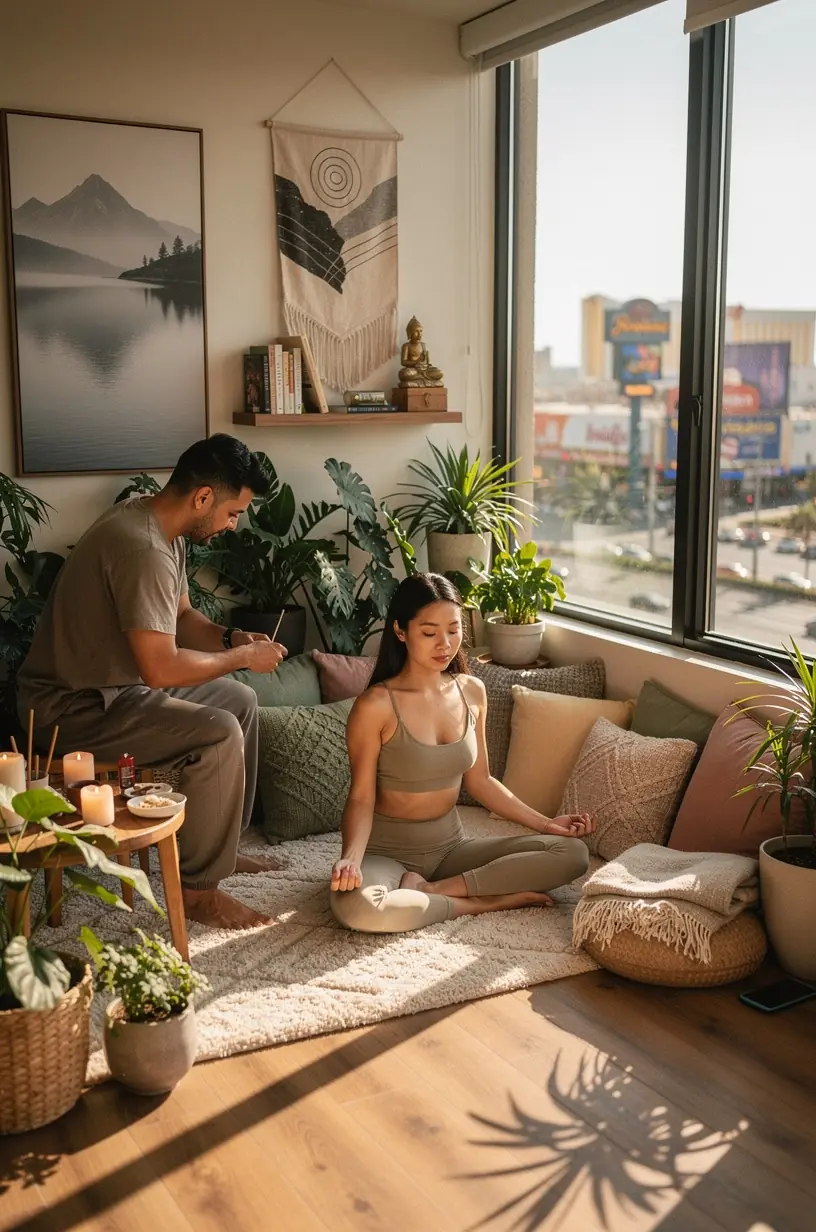
"A well-thought-out furniture arrangement can transform a room, making it not just visually appealing but also highly functional."
Psychological Impacts of Furniture Layout
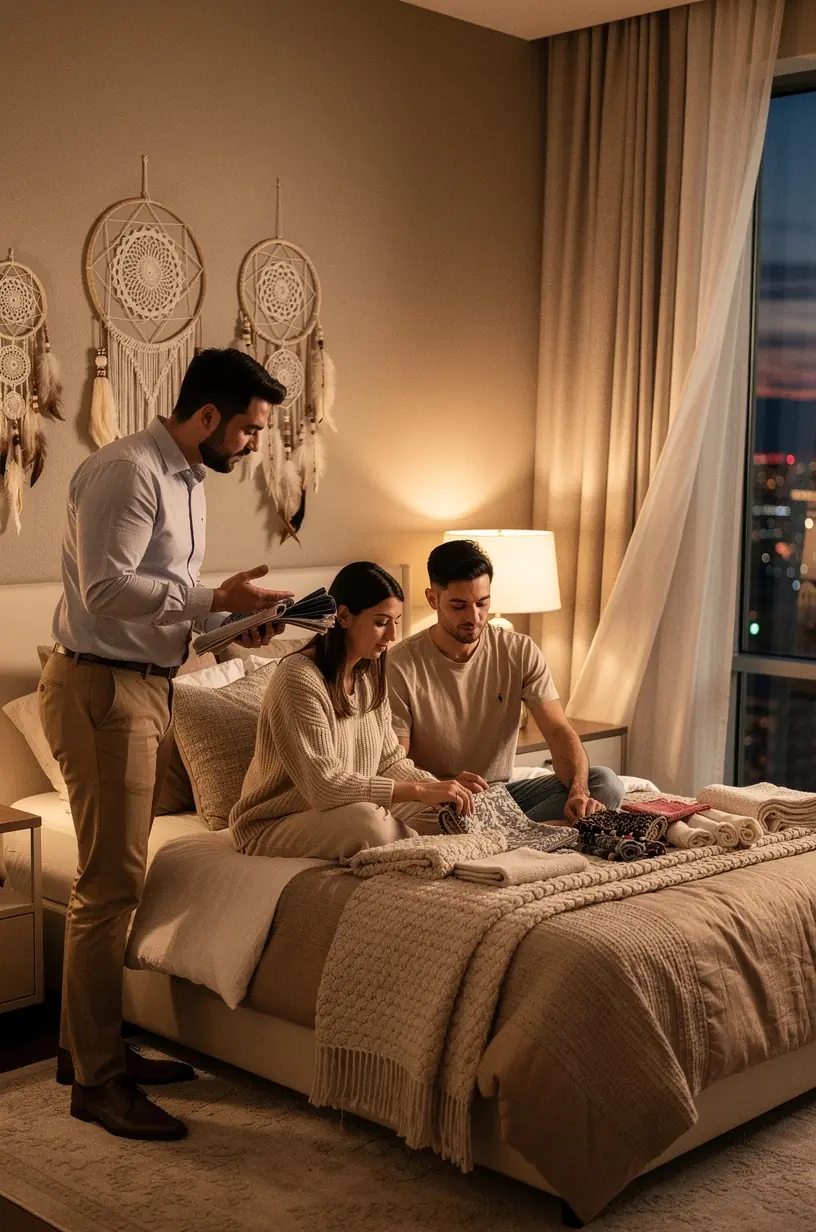
Experts in environmental psychology indicate that the way furniture is arranged can affect our mood and overall well-being. For instance, open layouts often foster feelings of spaciousness and freedom, while more enclosed configurations can create a sense of intimacy and safety. Understanding these psychological effects can guide homeowners in selecting layouts that align with their desired atmosphere.
Common Layout Styles
- Open Plan: Ideal for social interactions, this style removes barriers to movement and sightlines, promoting a sense of community.
- Traditional Layout: Often includes defined areas for specific functions, such as living, dining, and working, which can enhance focus and organization.
- Flexible Arrangements: Furniture on wheels or modular pieces allow for adaptable spaces that can change according to need or preference.
Practical Tips for Effective Furniture Arrangement
When it comes to arranging furniture, there are several actionable strategies to consider:
- Measure Your Space: Before moving furniture, take measurements of both the room and the pieces. This helps to prevent overcrowding and ensures that pathways are clear.
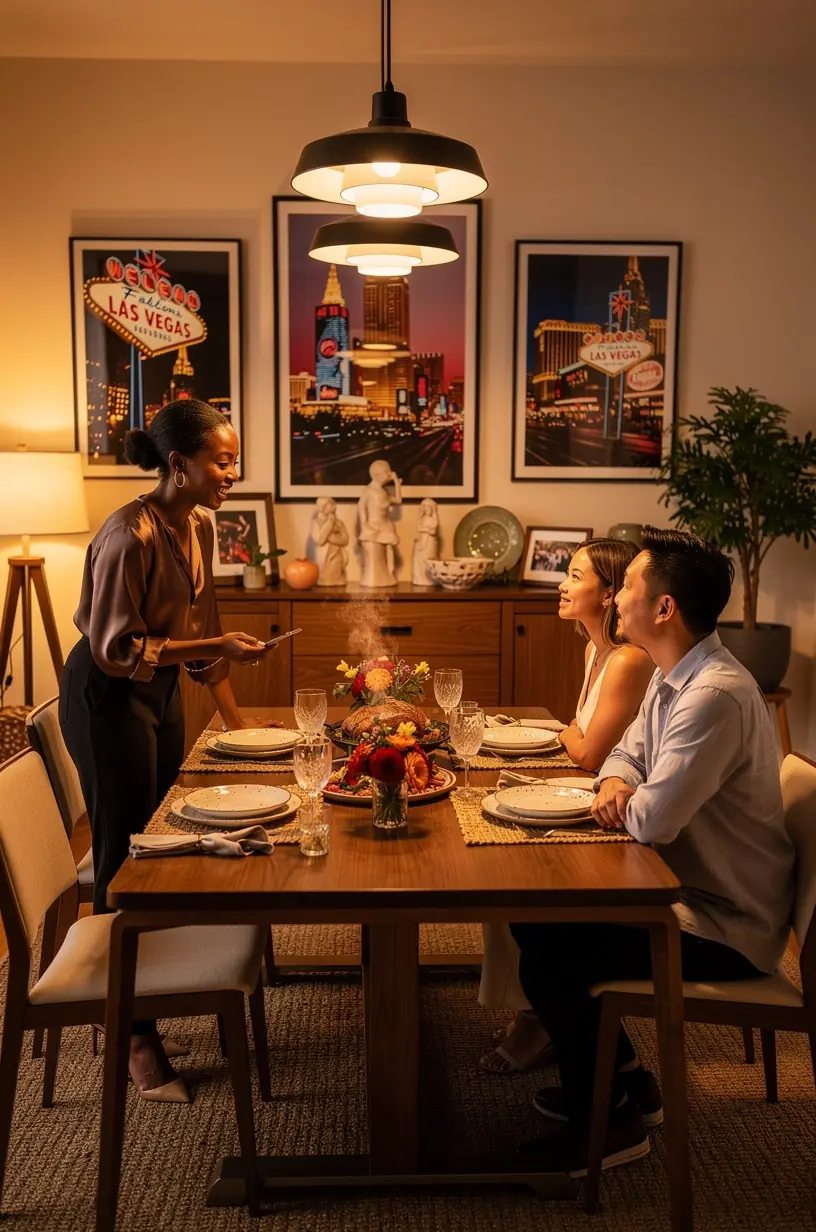
- Consider Functionality: Think about how the space will be used. For example, if hosting gatherings is common, arrange seating in a way that encourages conversation.
- Balance and Symmetry: Aim for a visually balanced layout. This doesn’t mean everything must match perfectly, but rather that the visual weight is distributed evenly throughout the room.
Acknowledging Limitations
It’s essential to recognize that creating the ideal furniture arrangement typically takes time and may require adjustments. Many users report that they often need to experiment with their layouts before finding the right fit. Additionally, what works best depends on individual preferences and the specific characteristics of the space.
Conclusion
In conclusion, furniture arrangement plays a vital role in enhancing the comfort and functionality of a home. By understanding the principles of effective layout and considering the psychological impacts of design, homeowners can create inviting spaces that suit their lifestyles. While achieving the perfect arrangement is often an iterative process, the effort put into thoughtful design can lead to significant improvements in daily living. Whether you are redesigning a room or simply rearranging a few pieces, remember that small changes can make a big difference.
Discover More